France proxy shopping vs parcel forwarding: which one you need
Proxy shopping and parcel forwarding get used as if they meant the same thing. They do not, they solve different problems, and picking the wrong one is why people end up stuck halfway through a purchase. Here is the distinction, in the plainest terms we can manage.
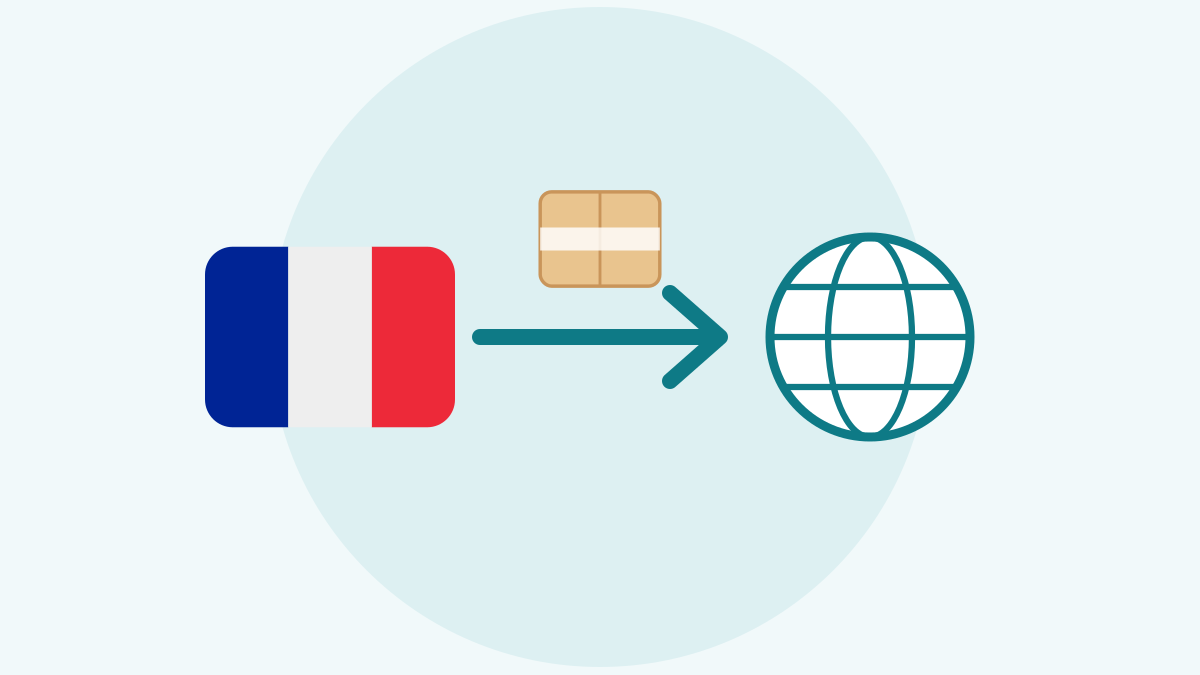
Both services exist to get something from a French shop into your hands. The difference is who does the buying, and it determines which obstacles each one can clear.
Parcel forwarding: you buy, they receive
You are given a French address. You order yourself, with your own account and your own card, and enter that address for delivery. The parcel arrives at a warehouse, is received and checked, and is shipped on to you.
What this solves: shops that do not deliver to your country, expensive international delivery, and the cost of several parcels arriving separately. What it does not solve: a card the shop refuses, a site that will not let a foreign account register, or a private seller who cannot post to an address they were never shown.
Proxy shopping: they buy, on your behalf
You send a link. A French buyer purchases the item with a French account and a French card, receives it, and ships it on. You never interact with the shop at all.
What this solves: everything the first one cannot. Cards refused by fraud checks, accounts restricted to residents, second-hand marketplaces where the seller's only shipping options are domestic, and auction sites where you need a bidder in the country.
What it costs: a service fee, because someone is doing the buying, the checking and the customer relationship. And a small delay, because a real person verifies the listing before spending your money.
Which one you need, in one question
Ask yourself: can I complete the purchase myself if the delivery address is French?
If yes — a normal shop, your card works — you want forwarding, and it is the cheaper of the two because nobody is buying for you. If no — the card is refused, or the seller is a private individual on a French-only platform — you want proxy buying, and the fee is the price of the only route that exists.
The useful thing is that you do not have to choose in advance. With us the same account gives you both, and purchases from both routes end up in the same warehouse and leave in the same box, paying one shipping charge between them.
Two ways to get a parcel to you
You order yourself. On French sites that accept your card, you enter your FrenchShopper address at checkout. To the shop you're a French customer; the parcel lands at our warehouse, we receive it, and we forward it to you. The address is free and comes with your account.
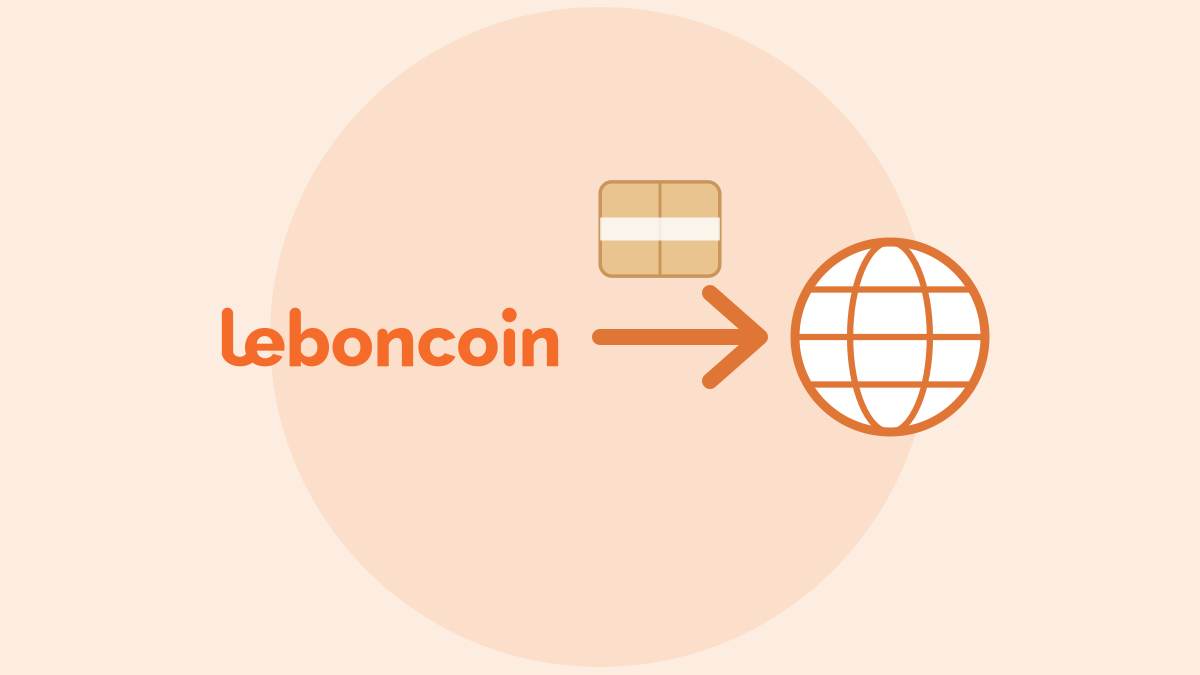
We buy for you. On Vinted, Leboncoin, and any seller who only ships within France or rejects a foreign card, you send us the link: we check it, quote it, and once you've paid, we buy with our own French account and card. The details are here.
Either way, your items wait for free for 45 days in our warehouse so you can gather several — and everything leaves in one box, with one shipping charge.
What to check before trusting either kind of service
The questions are much the same, and they are not the ones the homepages answer.
Is storage free, and for how long? Paid-by-the-week storage pushes you to ship half-empty boxes, which costs you more than the storage ever saved.
Is the shipping price shown per carrier before you commit? You should see several offers with delivery times and pick one. A single imposed figure means you are not seeing the market.
Is there a subscription for the address itself? If you order a few times a year, a monthly fee costs more than the parcels do.
On the proxy side, when is your money taken, and what happens if the item is gone? Buying before payment means someone is fronting the cost and will want it back; buying after payment means an item can sell in the meantime — in which case you should be refunded without argument.
And does anyone open the box? A service that checks contents on arrival saves you from shipping a broken or wrong item across the world. One that forwards it sealed lets you discover the problem at home, too late to do anything about it.
What neither service can do
Nobody can include your country's duties and taxes in the price: they are assessed on arrival, on the declared value, and collected by the carrier. Nobody can legally under-declare that value on your behalf — and a service that offers to is putting your parcel, not its own, at risk of being held or seized. And nobody can ship what carriers refuse: aerosols, alcohol, most perfume, loose lithium batteries.
Frequently asked questions
What is proxy shopping, in one sentence?
Someone in the country you are buying from purchases the item on your behalf, with a local account and a local card, then ships it to you — which clears the obstacles that a delivery address alone cannot.
Is proxy shopping the same as parcel forwarding?
No. Forwarding gives you an address and you do the buying yourself; proxy shopping means somebody else does the buying. Forwarding is cheaper because nobody is acting for you. Proxy buying is the only route when your card is refused or when a seller can only post domestically.
Which do I need for a French second-hand marketplace?
Proxy buying, almost always. The big French second-hand sites tie the account and the payment to the country, and the delivery options they show the seller stop at the French border — so an address alone does not help.
Can I use both at once?
Yes, and it is the cheapest way to work. Orders you placed yourself and items bought on your behalf land at the same warehouse, and leave in one box with one shipping charge between them.